



What Is Vehicle-To-Home Charging?
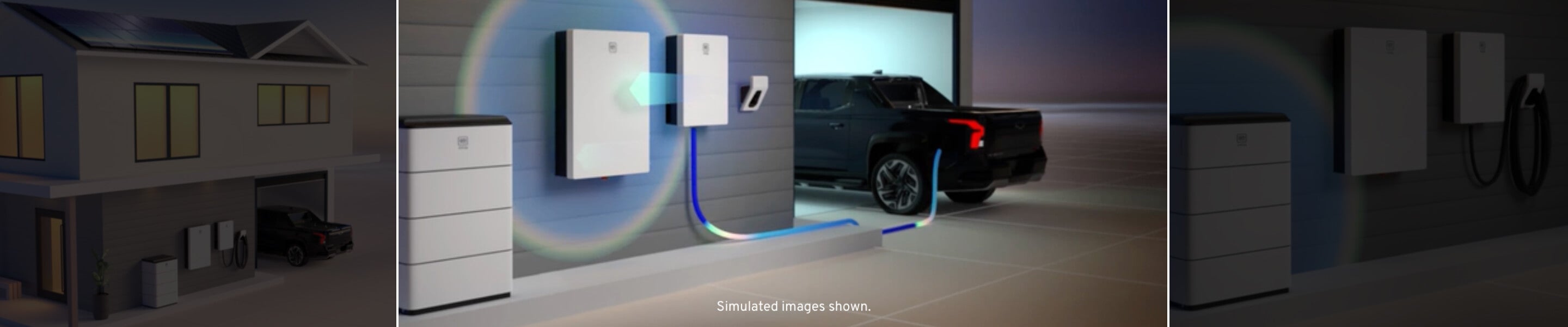
Take one quick lap around the internet shopping for electric vehicles, and you'll likely stumble across the term "V2H." This abbreviation stands for vehicle-to-home charging, and only a handful of modern cars have this capability – but when they do, it's an absolute game-changer.
If you're new to vehicle-to-home technology and wondering how a GM EV lease or purchase could save you money on fuel, protect your home from outages, and offset personal energy costs, DeVoe Buick GMC is here to help. Stop by our dealership to tour our current V2H vehicles, or learn more about how to utilize a vehicle-to-home charger now with our V2H guide below.
V2H Key Takeaways
- V2H enables your home to charge your EV and your EV to charge your home.
- Your V2H bidirectional charger can be quickly installed by a professional.
- V2H wallbox benefits far outweigh one-directional methods.
- A V2H charger can be just as, if not more, efficient than a traditional home EV charger.
- The Flexible GM Energy V2H Bundle integrates with GM vehicle apps so drivers can easily control energy between their vehicle and their home right from their smartphones.
- Large-battery vehicles like the Chevy Silverado EV can power a home for up to 21 days.1
- V2H efficiency is substantially increased when paired with home solar panels.

What Is V2H? Electric Vehicle Bidirectional Charging Explained
V2H charging, also called bidirectional charging, is a two-way power system that allows an electric vehicle, or EV, to both receive and send electricity between its battery and your home. Setting up this bidirectional loop does require a few professional upgrades, including the installation of a GM Energy PowerShift Charger and a GM Energy V2H Enablement Kit, but the benefits you'll gain from V2H are immeasurable.
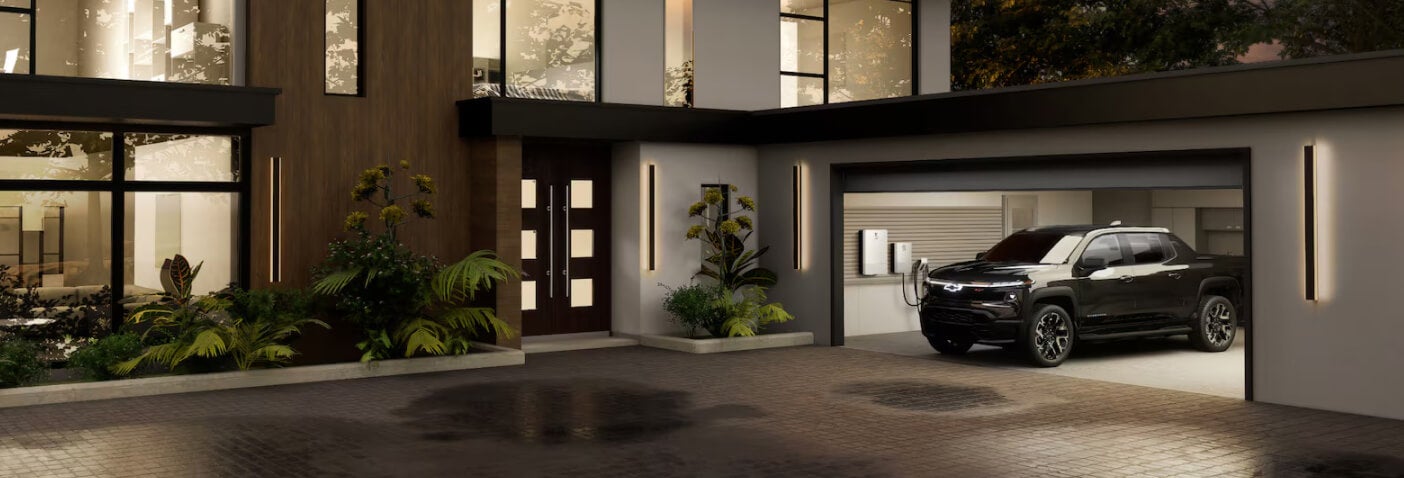
How Is a V2H Charger Different From a Home EV Charger?
A V2H charger differs from a traditional home EV charger in three distinct ways: power flow, functionality, and capability. Regular home EV chargers are one-directional – they send AC power from your home, which is converted to DC power in your automobile. Vehicle-to-home charging allows your electric vehicle and your home to recharge one another.
The Many Benefits of V2H
When new technology is introduced, it can be easy to write it off as a passing trend – and sometimes, that assumption is valid. But V2H is not an EV craze or marketing gimmick; it's a revolutionary, yet highly accessible, way to simplify your personal energy management.
Before you commit to a V2H lifestyle, here's a closer look at the benefits of bidirectional charging; explained by the VP of GM Energy, Wade Sheffer, V2H makes it "easier for our customers to access the expanded benefits of a holistic EV ecosystem."2
- Reduce Power Outages: Knowing your V2H vehicle could act as a backup generator for the most critical appliances in your home during a power outage can give you peace of mind.
- Offset Energy Costs: V2H vehicles help offset peak and seasonal energy spikes or periods of time when electricity costs are higher due to elevated demands on a power grid, by giving you an alternate source of power.
- Lower Carbon Emissions: When paired with solar panels, V2H vehicles can store excess solar power and then use it to intermittently power a home and reduce reliance on fossil fuel-based grid electricity.
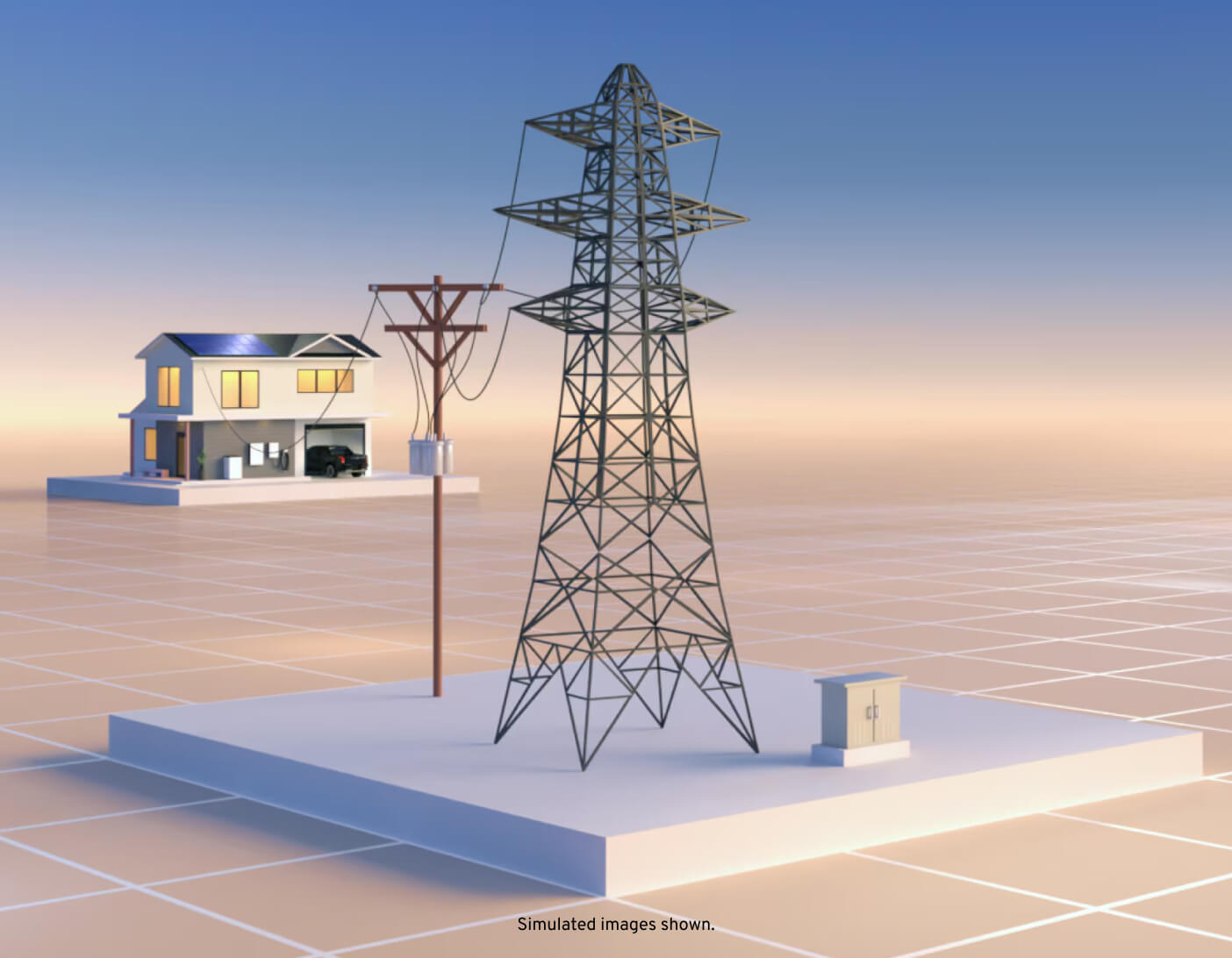
- Improve Grid Stability: Bidirectional V2H charging integrates EVs into power grids, which helps grids react to supply and demand fluctuations.

V2H-Compatible Cars: GM's Commitment to Home Energy Integration
Now that we've discussed the inner workings, pros, and cons of V2H, let's dive into V2H compatible cars: 2025 GM models take the spotlight today, but we'll also discuss a few 2026 GM designs to give you a well-rounded picture of the auto industry's current V2H capabilities and the types of V2H EV cars you can expect to see in the near future.
- GMC Sierra EV Denali/Denali Edition 1
- Chevrolet Blazer EV
- Chevrolet Equinox EV
- Chevrolet Silverado EV First Edition RST
- Cadillac LYRIQ
- Cadillac OPTIQ
- Cadillac Escalade IQ
GM EVs With Different Charging Capabilities
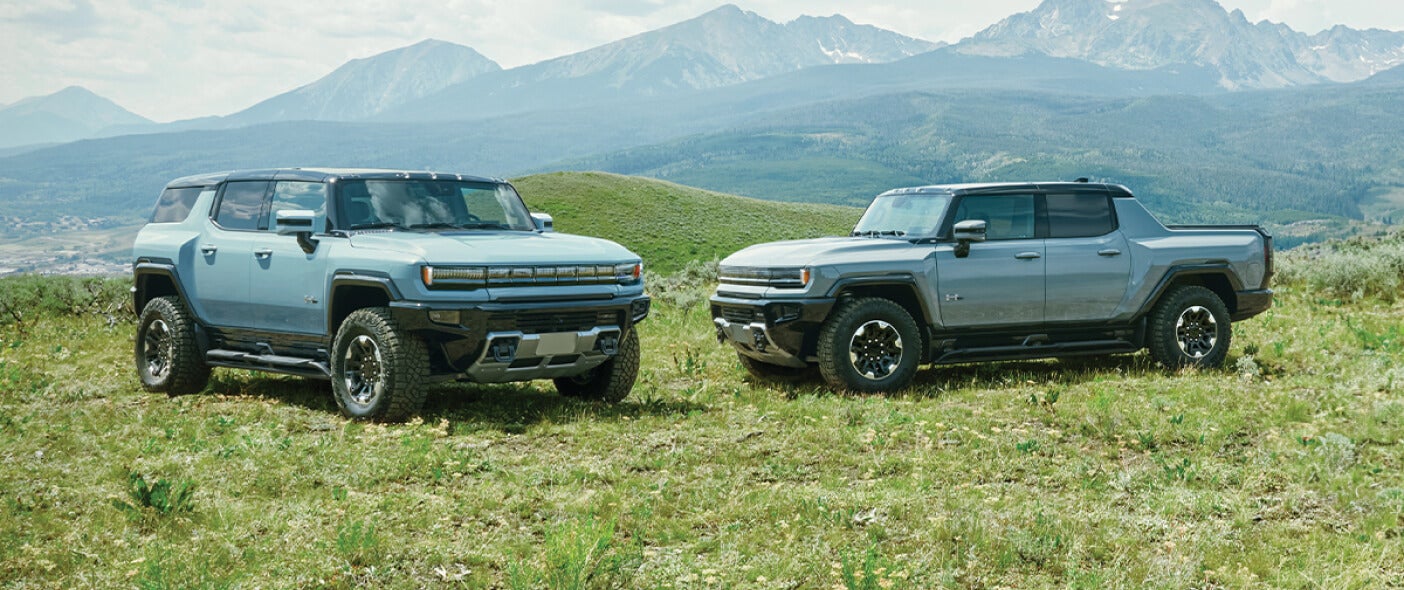
Though not every GMC, Chevrolet, or Cadillac electric model comes with vehicle-to-home charging, other General Motors vehicles allow for different, but still helpful, forms of bidirectional energy sharing. The 2025 GMC Hummer EV SUV cannot charge from vehicle to home, but it is capable of vehicle-to-load and vehicle-to-vehicle charging.
Curious about V2H in a rugged EV truck? Our new Hummer EV Pickup takes its cues from its SUV counterpart and offers V2L and V2V functionality, too.
Join the V2H Revolution at DeVoe Buick GMC
In addition to its current lineup of V2H-equipped vehicles, General Motors has also announced plans to expand its lineup of V2H-compatible cars in the coming years. You could be on the cutting edge of this vehicle-to-home technology by leasing or financing a compatible electric model today! Learn more about how our eco-friendly, bidirectional GM EVs can fulfill your charging needs at DeVoe Buick GMC.
Frequently Asked Questions
What is V2H bidirectional charging and how does it work?
V2H charging stands for vehicle-to-home charging, which means that not only can an electric vehicle refill its battery from a home's power supply, but a properly equipped home can also power its internal electrical systems by relying on the stored electricity in an EV's battery. This two-directional exchange of electricity helps mitigate power outages, reduce energy costs, and lower carbon emissions.
Which EVs support V2H bidirectional charging?
General Motors has developed seven new V2H vehicles, most available as 2024 or 2025 models and for sale in our DeVoe Buick GMC showroom, that can support bidirectional V2H charging to give you added peace of mind and flexible energy management:
- Cadillac LYRIQ
- Cadillac OPTIQ
- Cadillac ESCALADE IQ
- GMC Sierra EV Denali/Denali Edition 1
- Chevrolet Blazer EV
- Chevrolet Equinox EV
- Chevrolet Silverado EV First Edition RST
What equipment is needed for V2H charging?
Four elements are needed to use V2H charging: a V2H-compatible car, proper grid interconnection, a GM Energy PowerShift Charger with bidirectional capabilities, and a GM Energy V2H Enablement Kit. The latter two components can be professionally installed at your home, and V2H-compatible cars can be leased or financed at DeVoe Buick GMC. Some eligible EVs may require dealership or over-the-air updates to enable bidirectional charging.
How much power can my EV supply to my home?
The length of time any EV can power a V2H-equipped home depends on EV battery size and solar panel use. Smaller electric vehicle battery capacities without solar support should power essential home appliances for two or more days, while a larger 2024 Chevrolet Silverado EV First Edition RST battery can provide electricity to your home for up to 21 days1 – or potentially longer with connected solar panels.
Is V2H charging compatible with solar panels?
Yes, V2H charging is compatible with solar panels you've already installed at your home. Depending on your daily level of energy use, you may want to add a few solar panels to support your EV usage. Most solar EV charging setups use an energy meter to monitor the flow of energy between the grid and the EV's Level 2 wallbox charger.
Is bidirectional charging safe for my EV's battery?
Energy and automotive experts agree that bidirectional V2H charging should not negatively impact your EV's battery health or longevity as long as this two-directional charging feature is used intermittently. In short, don't rely on V2H on a daily basis. You can protect your V2H battery, or any EV battery, by only charging to its recommended limit and avoiding charging in extreme hot or cold temperatures.
More DeVoe Buick GMC Research Articles
1The GM Energy PowerShift Charger and GM Energy V2H Enablement Kit shown requires a fully charged and properly equipped Silverado EV RST having bidirectional charging capabilities, a properly equipped home, and proper grid interconnection. Power supply from the vehicle may be interrupted but will provide partial power to your home for up to 21 days collectively. Length of time may vary depending on energy usage. 21-day power supply represents energy usage of 5.3 kWh per day, which requires limiting the use of devices within the home. The U.S. Energy Information Administration (EIA) estimates average daily home energy usage to be 30 kWh. Weather conditions, life of the battery, vehicle variation and usage and other external factors may impact the duration of time. It is not recommended that the following devices be powered with the GM Energy PowerShift Charger and V2H Enablement Kit: Medical Devices.
2Reference to this third-party review/claim is solely for informational purposes and not to be relied upon. For more details, please visit https://news.gm.com/home.detail.html/Pages/news/us/en/2024/apr/0418-gmenergy.html#:~:text=The%20first%20vehicle%20in%20GM's,with%20V2H%20bidirectional%20charging%20technology.